
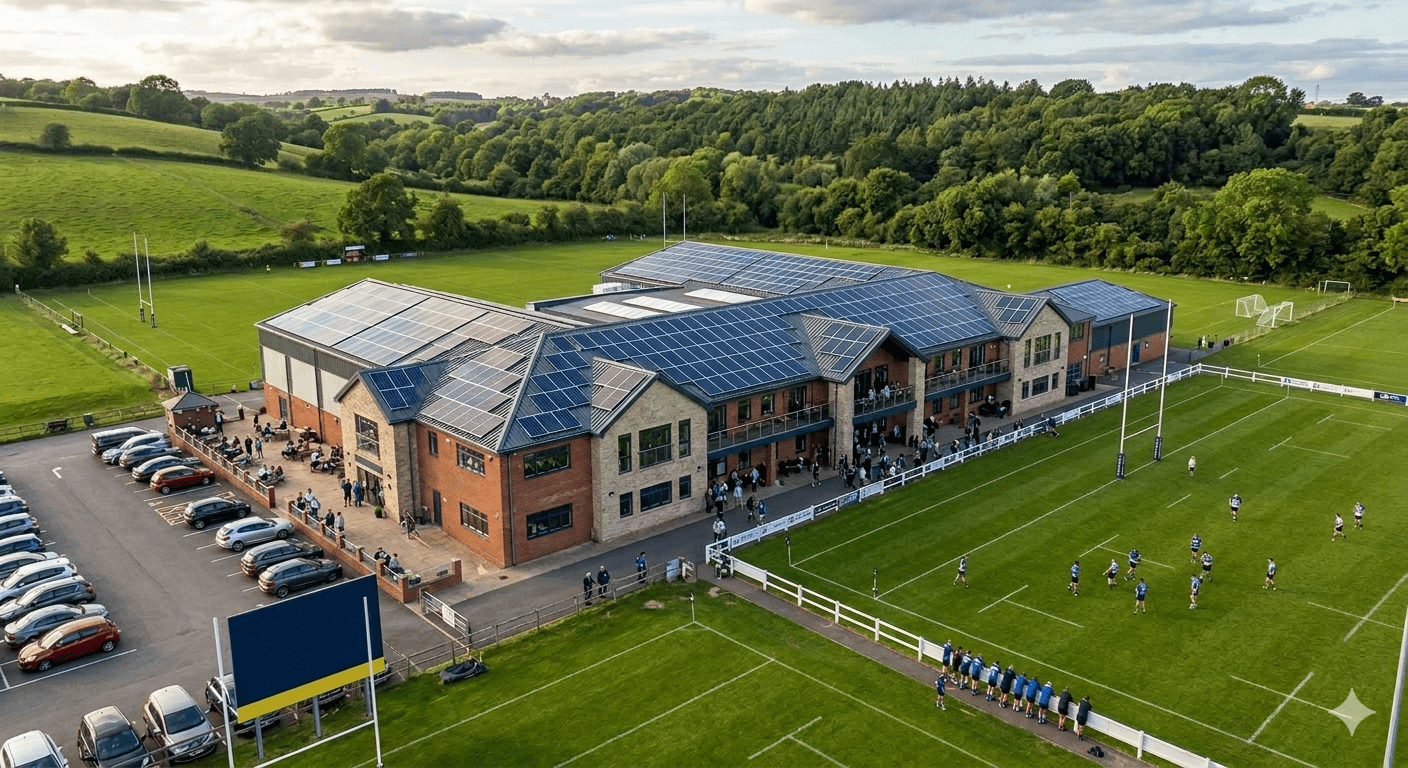
Power Purchase Agreements (PPAs)
Helping Sports Clubs, Golf Clubs and Businesses Understand Solar Power Purchase Agreements
Energy costs remain a significant concern for sports clubs, golf clubs, businesses and organisations across the UK.
Rising operational costs and uncertainty around future electricity prices mean many organisations are looking at longer-term ways to manage their energy costs and reduce their reliance on conventional grid electricity.
For clubs and organisations with suitable premises, a solar Power Purchase Agreement (PPA) can provide access to renewable electricity generated by solar panels installed on their own building — often without the organisation having to fund the solar installation upfront.
At The Utility Desk, we help you understand how PPAs work, whether your premises and energy use may be suitable, and what you should consider before entering into a long-term agreement.
What Is a Power Purchase Agreement (PPA)?
A Power Purchase Agreement (PPA) is a long-term agreement that allows a business, club or organisation to purchase electricity generated by a renewable energy system at an agreed rate for an agreed period.
Want a more detailed explanation? Read our guide to Power Purchase Agreements (PPAs) in the UK.
For the type of PPA offered through The Utility Desk, this would typically involve solar panels being installed on the organisation’s own premises.
Rather than the club or business purchasing and funding the solar installation itself, the system is funded by the PPA provider, subject to suitability and approval. The organisation then purchases the electricity generated by the solar panels under the terms of the agreement.
A solar PPA may offer several potential benefits:
- No upfront cost for the solar installation
- Access to on-site renewable electricity
- Greater visibility over future electricity costs
- Reduced reliance on electricity purchased from the grid
- A practical way to use suitable roof space to generate renewable electricity
Who Are PPAs Suitable For?
Solar PPAs can be suitable for a range of businesses, clubs and organisations, particularly where there is suitable roof space and regular daytime electricity use.
They may be worth exploring for:
- Rugby clubs and other sports clubs
- Golf clubs
- Community clubs and organisations
- Hospitality venues
- Businesses with suitable commercial premises
- Organisations with significant daytime electricity consumption
Suitability will depend on several factors, including the building, available roof space, electricity consumption and the organisation’s circumstances.
Not every property or organisation will be suitable for a solar PPA, which is why the first step is simply to establish whether the opportunity is worth exploring.
Why Clubs and Businesses Are Considering Solar PPAs
1. Energy Cost Stability
One of the potential attractions of a solar PPA is greater visibility over future electricity costs.
Electricity prices can fluctuate, making budgeting difficult for clubs, businesses and organisations with regular electricity use.
A solar PPA may help provide:
- More predictable pricing for the electricity generated by the solar installation
- Reduced reliance on electricity purchased from the grid
- Greater confidence when planning future energy costs
2. On-Site Renewable Electricity
Solar panels installed on suitable premises can generate renewable electricity for use directly within the building.
This can allow a club or business to use electricity generated from its own roof without having to purchase and fund the solar installation upfront.
For organisations looking to reduce their reliance on grid electricity, this can provide a practical way to make better use of suitable roof space.
3. Long-Term Energy Planning
A solar PPA is a long-term agreement, so it should be considered as part of an organisation’s wider energy planning.
Where the premises and electricity consumption are suitable, an agreed arrangement can provide greater visibility over the cost of the electricity generated by the solar system.
Before entering into a PPA, organisations should understand:
- The length of the agreement
- How the electricity price is calculated
- What happens if the premises are sold or circumstances change
- Responsibilities for the solar installation and maintenance
- Any other terms and conditions of the agreement
4. Supporting Sustainability Goals
Many clubs, businesses and organisations are looking for practical ways to reduce their reliance on grid electricity and make greater use of renewable energy.
The UK Government’s Solar Roadmap also highlights the growing role of solar generation across commercial buildings and the wider UK energy system.
Generating solar electricity on-site may help support wider environmental and sustainability goals, while making productive use of suitable roof space.
For sports and community clubs in particular, a visible solar installation can also demonstrate a commitment to renewable energy to members, supporters and the wider community.
How Does a PPA Work?
A solar Power Purchase Agreement is designed to be relatively straightforward.
Subject to the premises being suitable and the project being approved, a solar system is installed on the club or organisation’s building and funded by the PPA provider.
The club or business then purchases the electricity generated by the solar panels under an agreed long-term arrangement.
In simple terms, the process typically involves:
- The premises and electricity usage are assessed
- The roof and site are checked for suitability
- A proposed solar system and PPA arrangement are prepared
- The organisation reviews the proposed electricity price and agreement terms
- Subject to approval, the solar system is installed
- The electricity generated is used by the club or business under the terms of the PPA
Any additional electricity required that is not provided by the solar system would normally continue to be supplied through the organisation’s existing electricity arrangements.
Before proceeding, it is important to understand the proposed pricing, agreement length and other terms so that the organisation can decide whether the PPA is right for them.
When Might a Club or Business Consider a Solar PPA?
A solar PPA may be worth exploring when a club, business or organisation has suitable premises and wants to investigate a longer-term approach to its electricity costs.
It may be particularly worth considering where:
- The building has suitable roof space for solar panels
- There is regular daytime electricity consumption
- Electricity costs represent a significant operating expense
- The organisation wants to reduce its reliance on grid electricity
- Funding a solar installation upfront is not the preferred option
- The organisation is comfortable considering a longer-term agreement
A solar PPA will not be suitable for every organisation. The building, roof, electricity consumption and other circumstances all need to be considered before deciding whether it is worth progressing.
What We Do at The Utility Desk
At The Utility Desk, we help clubs, businesses and organisations understand whether a solar PPA could be a suitable option for their premises.
We aim to make the process straightforward, starting with an initial conversation about the organisation, its premises and electricity usage.
We can help you:
- Understand how a solar PPA works
- Establish whether your premises may be suitable
- Consider your electricity usage and requirements
- Understand the proposed PPA structure and agreement
- Ask the right questions before making a long-term commitment
- Explore the next steps if a solar PPA appears suitable
There is no obligation to proceed. The initial aim is simply to establish whether a solar PPA is an option worth exploring.
Our Approach
Straightforward & Practical
We avoid unnecessary jargon and explain solar PPAs in clear, practical terms, so clubs and businesses can understand what is being proposed before making any decisions.
Focused on Your Organisation
Every club, business and organisation is different. The premises, roof space, electricity usage and long-term plans all play a part in determining whether a solar PPA may be suitable.
No-Pressure Approach
Exploring a solar PPA does not mean committing to one. We believe organisations should have the opportunity to understand the proposal, ask questions and consider the terms before deciding whether to proceed.
FAQs About PPAs
Get in Touch
If your club, business or organisation would like to find out whether a solar PPA could be worth exploring, the first step is simply to have a conversation.
We can discuss your premises, electricity usage and circumstances and help you understand whether it may be appropriate to take things further.
There is no obligation to proceed.
If a solar PPA appears potentially suitable, we can then explain the next steps and what information may be required.
Contact The Utility Desk
📞 Phone: 08000 588 544 or 07960 799 681
📧 Email: support@theutilitydesk.co.uk
🌐 TheUtilityDesk.co.uk
You may also find our guide to solar panels and PPAs for sports clubs useful.
Case Study: How a Solar PPA Could Work for a Rugby Club
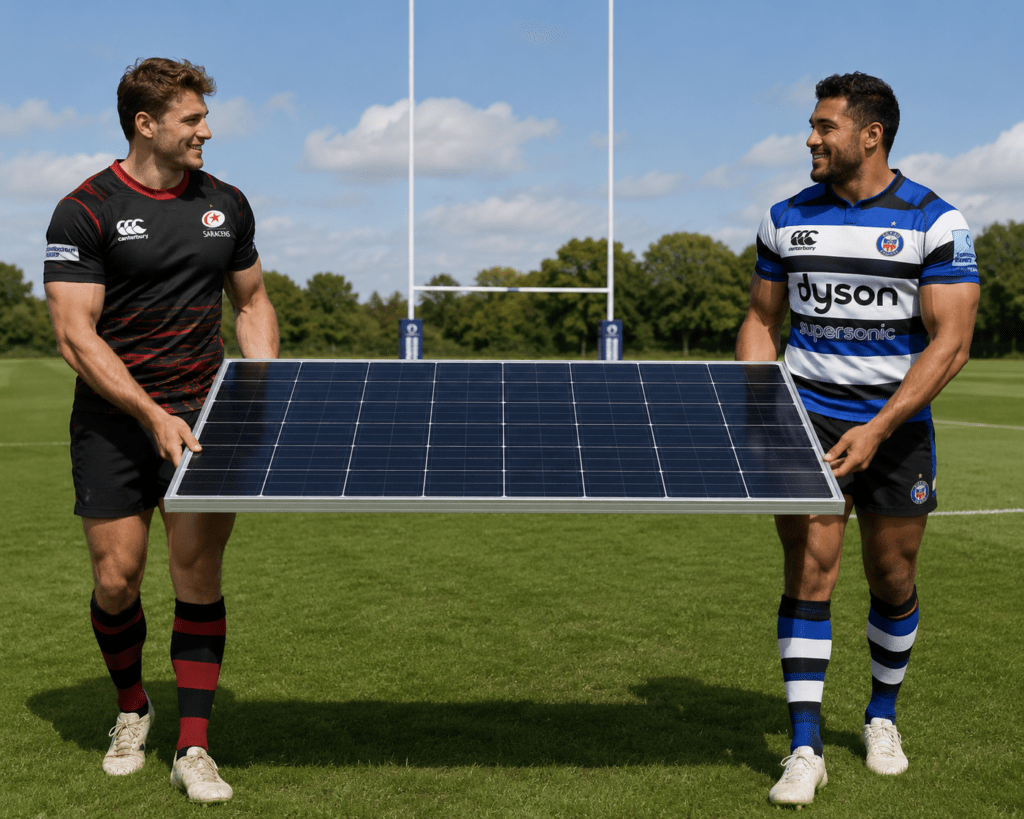
How a Rugby Club is Using Solar Energy to Reduce Electricity Costs Through a PPA Structure
How a Solar PPA Could Work for a Rugby Club
Rugby clubs can have significant electricity requirements, with energy being used throughout the clubhouse for refrigeration, cellar cooling, kitchens, lighting, heating systems and other facilities.
Where a clubhouse has suitable roof space and sufficient electricity consumption, a solar Power Purchase Agreement may provide an opportunity to generate renewable electricity on-site without the club having to fund the solar installation upfront.
This example shows how such an arrangement could work.
The Situation
A typical rugby clubhouse may use electricity for:
- Bar refrigeration and cellar cooling
- Kitchen and catering equipment
- Lighting throughout the clubhouse and function rooms
- Heating and hot water systems where applicable
- Offices, changing facilities and other electrical equipment
- Match days, functions and community events
Some of this electricity consumption takes place during daylight hours, when electricity could potentially be supplied by solar panels installed on the clubhouse roof.
For a club with suitable premises and electricity usage, this can make a solar PPA worth investigating.
The Proposed Solar PPA
Subject to the clubhouse, roof and electricity consumption being suitable — and the project receiving approval — a solar PV system could be installed on the clubhouse and funded by the PPA provider.
Under the agreement:
- The solar installation is funded by the PPA provider
- Solar panels generate electricity on-site
- The club purchases the electricity generated under the agreed PPA terms
- Solar-generated electricity can be used within the clubhouse
- Additional electricity required can continue to be supplied from the grid
- The agreement operates for an agreed long-term period
This gives the club access to on-site solar-generated electricity without having to fund the solar installation upfront, subject to the terms and approval of the PPA.
How Could the Solar Electricity Be Used?
Electricity generated by the rooftop solar panels could contribute towards the clubhouse’s everyday electricity requirements, including:
- Refrigeration and bottle coolers
- Cellar cooling
- Kitchen and catering equipment
- Lighting
- Heating and hot water systems where applicable
- General clubhouse electricity consumption
The amount of solar electricity used by the club would depend on factors including the size of the solar installation, weather conditions and when electricity is being consumed.
Any electricity required beyond that generated by the solar system would normally continue to come through the club’s existing electricity supply arrangements.
What Are the Potential Benefits for the Club?
If the premises and electricity consumption are suitable, a solar PPA may offer several potential benefits.
No Upfront Solar Installation Cost
The club does not have to provide the capital required to purchase and install the solar system itself, subject to the PPA provider’s approval and agreement terms.
On-Site Renewable Electricity
The clubhouse can use electricity generated by solar panels installed on its own premises.
Reduced Reliance on Grid Electricity
Electricity generated and used on-site can reduce the amount of electricity that needs to be purchased from the grid during periods when the solar system is generating.
Greater Visibility Over Future Electricity Costs
The PPA sets out how the solar-generated electricity will be priced over the agreement period, potentially giving the club greater visibility when considering future energy costs.
Making Use of Existing Roof Space
A suitable clubhouse roof can become an energy-generating asset without the club having to purchase the solar installation itself.
Why Rugby Clubs Can Be Worth Assessing
Rugby clubs can have several characteristics that make solar PPAs worth exploring, including:
- Clubhouses with substantial roof space
- Regular electricity consumption
- Refrigeration and cellar cooling requirements
- Catering and bar facilities
- Daytime and weekend activity
- Community facilities used throughout the week
However, every club is different.
Roof condition and suitability, electricity consumption, the proposed solar system and the terms of the PPA all need to be considered before deciding whether an arrangement is appropriate.
Could the Same Approach Work for Golf Clubs?
Yes. The same basic principle may also apply to golf clubs and other sports or community organisations.
Golf clubhouses can have significant roof space and regular electricity demand from kitchens, bars, refrigeration, lighting, changing facilities and other equipment.
As with a rugby club, suitability would need to be assessed individually.
How The Utility Desk Can Help
At The Utility Desk, we help sports clubs, golf clubs, businesses and organisations understand whether a solar PPA may be worth exploring.
We can help you understand:
- How the proposed solar PPA works
- Whether your premises may be suitable
- The importance of your electricity consumption
- What the proposed pricing and agreement mean
- The questions to ask before making a long-term commitment
- What the next steps are if you decide to investigate further
Our aim is to explain the opportunity in straightforward, practical terms, so you can make an informed decision about whether it is right for your organisation.
Interested in Exploring a Solar PPA?
If your rugby club, golf club, business or organisation has suitable premises and you would like to find out whether a solar PPA could be worth considering, The Utility Desk can help you take an initial look at the opportunity.
There is no obligation to proceed.
Ready to Find Out if a Solar PPA Could Work for You?
Get in touch with The Utility Desk for an initial, no-obligation conversation about your premises, electricity usage and whether a solar PPA may be worth exploring.
📞 Phone: 08000 588 544 or 07960 799 681
📧 Email: support@theutilitydesk.co.uk
🌐 TheUtilityDesk.co.uk