
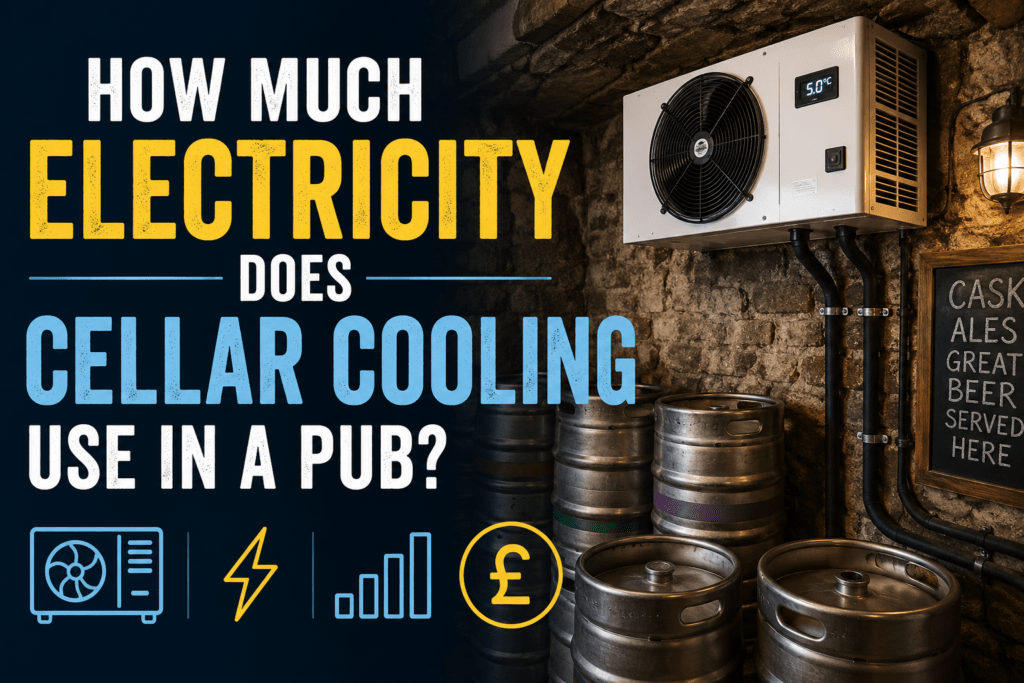
Why Cellar Cooling Can Have a Bigger Impact Than Many Pub Owners Realise
When pub owners think about rising electricity bills, they often focus on visible areas such as lighting, kitchen equipment or heating. However, one of the biggest hidden contributors to electricity usage in many pubs is something quietly running in the background every day: the cellar cooling system.
Cellar cooling is essential for keeping beer at the correct temperature and maintaining product quality, but many systems operate continuously and are rarely reviewed. Over time, even small inefficiencies can add a high cost to a pub’s electricity bill.
There are several practical ways pubs can reduce refrigeration costs without compromising cellar conditions.
At The Utility Desk, we regularly speak to pubs where cellar cooling systems may be working harder than necessary—often simply because settings, airflow or maintenance have not been checked in years.
What Does a Cellar Cooling System Actually Do?
Cellar cooling systems are designed to maintain a stable temperature for stored beer and beverages. In most pubs, the ideal cellar temperature is usually somewhere around 11–13°C.
To maintain this temperature, cooling systems may run:
- Throughout the day
- Overnight
- During warmer weather
- During busy trading periods
In larger or busier venues, the cooling demand can be substantial.
How Much Electricity Can Cellar Cooling Use?
The exact electricity usage depends on factors such as:
- Size of the cellar
- Age of the cooling system
- Temperature settings
- Insulation quality
- Frequency of door openings
- Maintenance condition
However, cellar cooling can account for a noticeable percentage of a pub’s total electricity consumption.
In some cases:
- Older systems may run almost continuously
- Poor airflow can force compressors to work harder
- Incorrect thermostat settings may increase electricity usage unnecessarily
Because the system operates every day, small inefficiencies are repeated hundreds of times over the course of a year.
Common Reasons Cellar Cooling Costs Increase
1. Cooling Set Too Low
One of the most common issues is cellar temperatures being set colder than necessary.
Lower temperatures mean:
- Longer compressor run times
- Increased electricity usage
- More strain on equipment
Even a small adjustment can sometimes improve efficiency.
2. Poor Ventilation
Cooling systems need proper airflow around them to operate efficiently.
Blocked vents, cluttered areas or poorly positioned equipment can reduce performance and increase running costs.
3. Dirty Filters & Lack of Maintenance
Dust and dirt reduce efficiency over time.
Without regular maintenance:
- Systems work harder
- Electricity consumption increases
- Components may wear out faster
4. Older Equipment
Older cellar cooling systems are often significantly less energy efficient than newer models.
While replacement is not always necessary, understanding how efficiently your current setup is operating is important.
Why Reviewing Cellar Cooling Makes Sense
For many pubs, cellar cooling is simply “left alone” as long as the beer stays cold.
The problem is:
- electricity prices have changed dramatically
- older systems may no longer operate efficiently
- usage patterns may have changed over time
A simple review of:
- cooling settings
- operating schedules
- airflow and maintenance
can sometimes highlight opportunities to reduce unnecessary electricity usage without affecting cellar performance.
Cellar Cooling & Overall Energy Costs
Cellar cooling should not be viewed in isolation.
Many pubs also operate:
- Bottle coolers
- Under-counter fridges
- Ice machines
- Walk-in refrigeration
- Air conditioning systems
Together, refrigeration and cooling equipment can represent a major part of overall electricity costs.
That is why reviewing total cooling usage alongside business energy contracts can often make good financial sense.
Practical Ways to Reduce Cellar Cooling Costs
While every venue is different, some practical steps may include:
- Reviewing temperature settings
- Improving airflow around equipment
- Ensuring filters are clean
- Checking maintenance schedules
- Avoiding unnecessary cooling during quiet periods
Even small improvements can add up over time.
Final Thought
Cellar cooling systems are essential for pubs—but they are also one of the most commonly overlooked areas of electricity usage.
When systems operate inefficiently, the extra cost quietly builds month after month.
At The Utility Desk, we help pubs and hospitality venues take a practical look at their energy usage, cooling systems and business electricity costs to identify opportunities to reduce unnecessary spending.
If you’d like us to look at your current costs, start with our free business energy bill review.